

Map of the Kingdom of Sicily in 1640 by Willem Janszoon Blaeu
Map of the Kingdom of Sicily in 1640 by Willem Janszoon Blaeu
o una misura particolare? • Avvia chat WhatsApp
Couldn't load pickup availability
A splendid, original, color example of Blaeu’s beautiful decorative map of Sicily, from his Atlas Novus. Blaeu’s map is undoubtedly one of the finest of all 17th-century atlas maps of Sicily, with 2 ornate cartouches, a large coat-of-arms, 4 sailing ships, a sea monster and 2 compass roses. This example features rich hand-coloring, and was likely bound into a deluxe edition of Blaeu’s Atlas. Willem Janszoon Blaeu (1571-1638) was a Dutch map and globe maker, born in Uitgeest or Alkmaar. He became a student of the Danish astronomer Tycho Brahe from 1594 to 1596 instead, where he learned to make globes and instruments.
Blaeu started his own map and globe-making business after completing his training with Tycho Brahe, and became one of the leading map, instrument and globe makers in the Netherlands. In 1633 he became the official cartographer for the Dutch East India Company. Around the same time, he purchased the plates used for the Mercator-Hondius Atlas, and began to publish his own Atlas of the World (Atlas Novus), which he expanded and added plates to for the remainder of his life. He passed the business on to his two sons, Johannes and Cornelis, who continued it for the next thirty years, until a fire destroyed their printing house around 1660. Before the destruction of the Blaeu printing house, the original single volume atlas grew to contain over 650 maps, and was the most expensive book ever published at the time.
Feel history at your fingertips
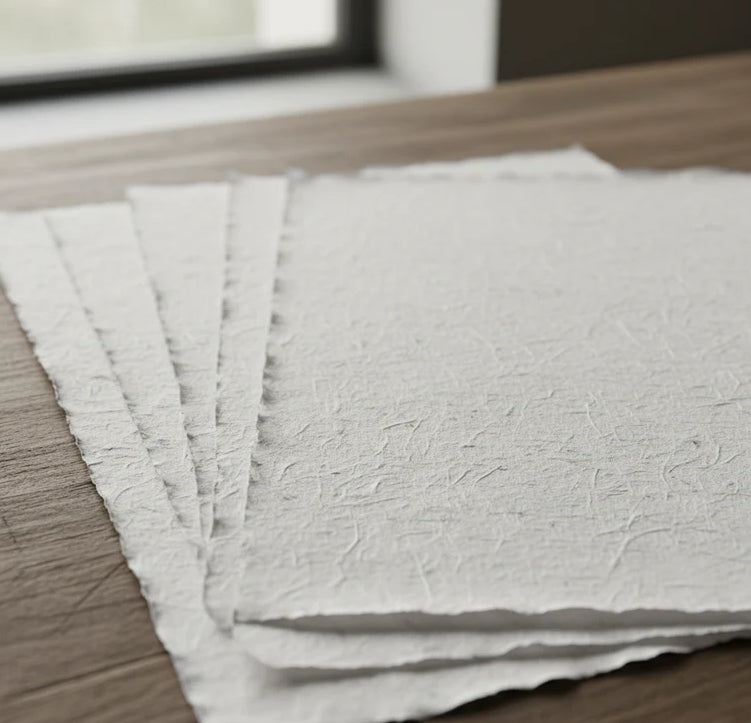
Our reproductions are extremely faithful to the original and printed on fine Amalfi paper.
It is a paper composed exclusively of cotton fibers, thick and naturally porous, yet soft to the touch, with characteristic deckled edges that attest to its artisanal craftsmanship.
It is still made today according to ancient medieval techniques, in the workshops of Amalfi.
Materials of sublime quality
-
 Amalfi paper
Thick, porous, with typical deckled edges -
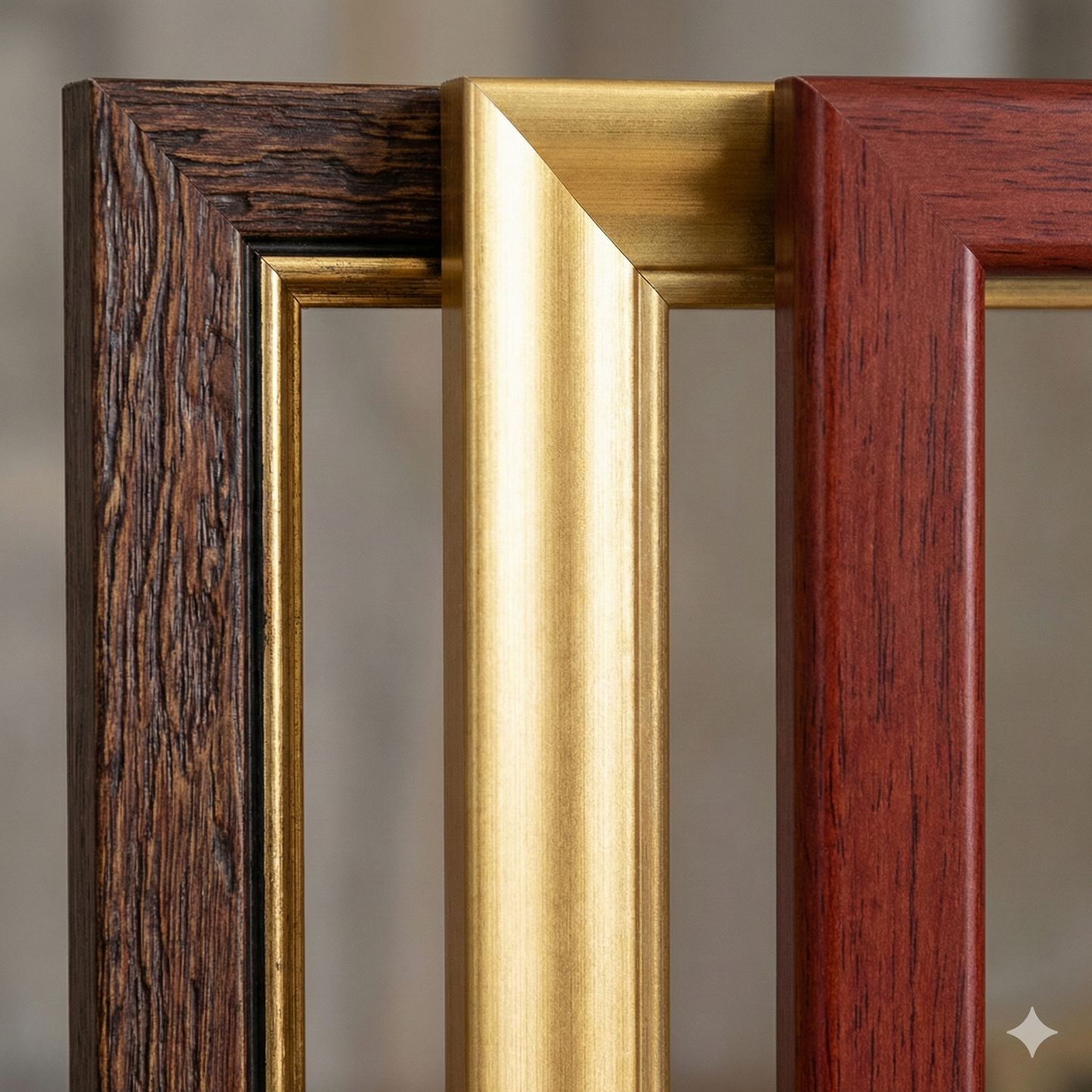
 Handcrafted frame
Made of fine wood, hand-assembled -
 Museum glass
The same ultra-clear glass used in museums
Unique quality material
Print on handmade Amalfi paper
Sheet size: 40 x 30 cm
With frame: 43 x 33 cm
Material: artwork printed on exquisite handmade Amalfi paper with deckled edges
Frame: Light brown, made of beech wood and handmade wood pulp