

Map of ancient Otranto, Salento, and Iapygia by Henricus Hondius
Map of ancient Otranto, Salento, and Iapygia by Henricus Hondius
o una misura particolare? • Avvia chat WhatsApp
Couldn't load pickup availability
This elegant map of ancient Otranto and the historical region of Iapygia, which today corresponds to Salento, is a refined example of 17th-century Dutch cartography, based on the original work of Gerard Mercator. Henricus Hondius oversaw its reproduction and enriched it with sophisticated decorative elements: sailing ships traversing the Adriatic Sea, a striking sea monster, and ornamental cartouches that highlight the Baroque taste of the era. The map offers a detailed view of the southeastern tip of Italy, an important crossroads between West and East.
Henricus Hondius (1597–1651), son of the renowned Jodocus Hondius, was a Dutch engraver and cartographer active in Amsterdam, a pulsating center of 17th-century cartographic publishing. After his father's death, Henricus and his brother Jodocus the Younger continued the family business, expanding and updating Mercator's atlas. In 1621, Henricus opened his own printing house and collaborated closely with Jan Janssonius, his brother-in-law, giving rise to the impressive publishing project known as the Mercator-Hondius-Janssonius Atlas.
This map is, therefore, an integral part of one of the most influential cartographic works of the early modern age. It combines geographical rigor with visual imagination, becoming a work of art as well as a geographical document. It is a valuable testament to the strategic and cultural importance of the Salento territory in the 17th century, as well as a collector's item for scholars, enthusiasts, and lovers of ancient cartography.
Feel history at your fingertips
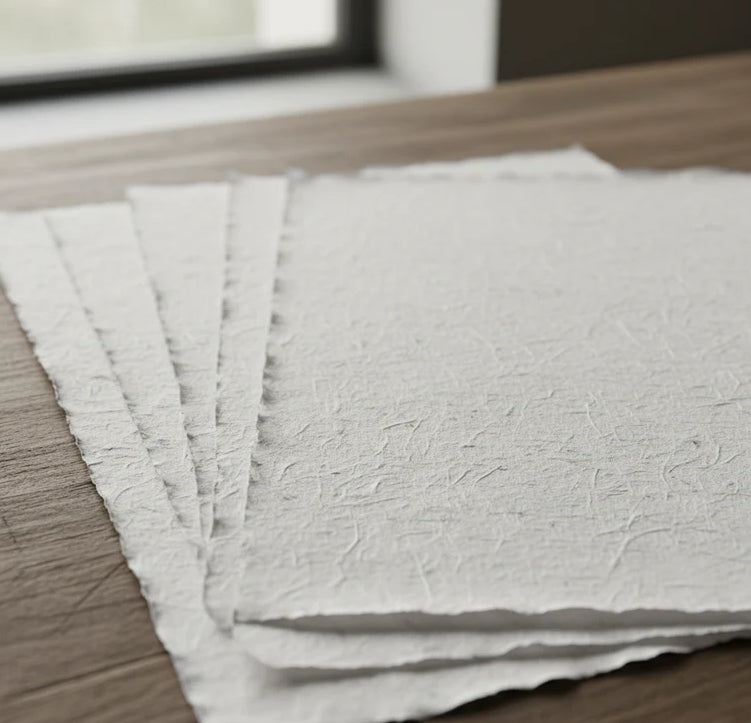
Our reproductions are extremely faithful to the original and printed on fine Amalfi paper.
It is a paper made exclusively from cotton fibers, thick and naturally porous, yet soft to the touch, with characteristic frayed edges that attest to its artisanal craftsmanship.
It is still made today using ancient medieval techniques in the workshops of Amalfi.
Sublime quality materials
-
 Amalfi handmade paper
Thick, porous, with typical frayed edges -
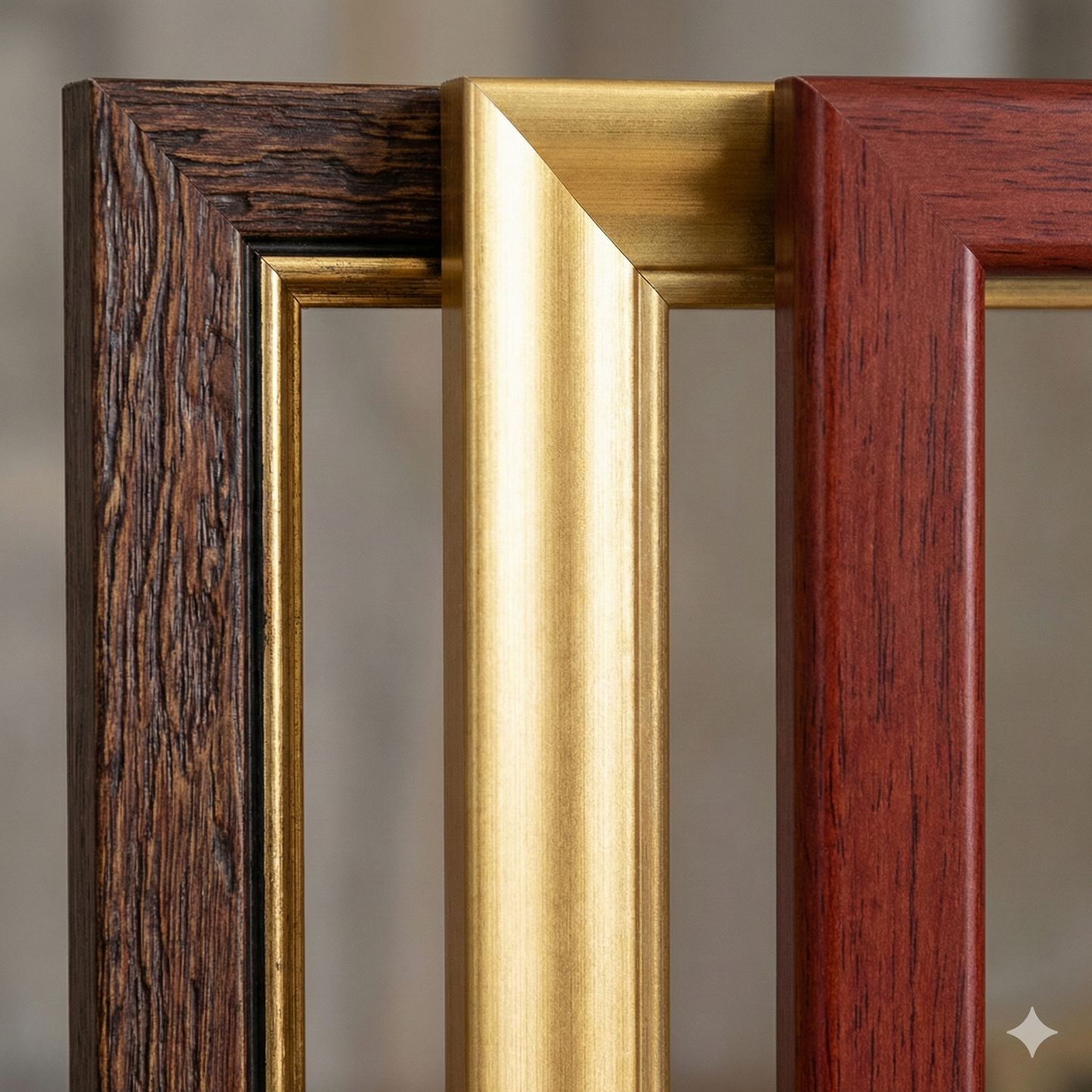
 Handcrafted frame
Made of fine wood, hand-assembled -
 Museum-quality ultra-clear glass
The same ultra-clear glass used in museums
Unique quality material
Printed on handmade Amalfi paper
Sheet size: 40 x 30 cm
With frame: 43 x 33 cm
Material: work printed on very fine handmade Amalfi paper with frayed edges
Frame: Light brown, handmade beech wood and wood pulp