


Plato and the disciples at the Temple of Cape Sunion
Plato and the disciples at the Temple of Cape Sunion
Couldn't load pickup availability
- ✓Shipping with real-time tracking
- ✓Handmade in 4-5 working days
or a special size? • Chat with us
The Work
On the left, atop the promontory, the temple is shown whole, with its roof and pediment, but when this print was first published, only a few columns remained standing. You receive it printed on handmade Amalfi paper, with a handmade frame.
Because of those columns, the promontory was called Cape Colonnae, a name that dates back to the seventeenth century. The temple had been built between 444 and 440 BC, a dozen years before Plato was born, and for a long time it was believed to have been dedicated to Athena, because Pausanias, the ancient traveler’s guide, mentions only her at Sunium. It was the excavations of Valerios Staïs between 1897 and 1915, and the inscriptions he discovered, that restored it to Poseidon, the god of the sea. Of its 34 columns, 15 still stand today.
The scene comes from a novel, the Voyage of Young Anacharsis in Greece. Abbot Jean-Jacques Barthélemy, custodian of the medals of the King of France and decipherer of the Phoenician alphabet, worked on it for about thirty years and published it on the eve of the Revolution: a young Scythian traveling through Plato’s Greece. The maps and views were prepared by the geographer Jean-Denis Barbié du Bocage. This one, “Plato on the Promontory of Sunium Discoursing to His Disciples,” is number 28 in Maps, Plans, Views and Coins, the English edition’s atlas printed in London in 1793 and engraved on copper by T. Cook. The reproduced copy is in the David Rumsey Map Collection.
In a library, alongside the classics of the lycée, or in the study of a teacher, it is a gift for anyone who has loved philosophy or has personally visited Cape Sunium. And on the promontory, the temple remains whole, with Plato sitting just a little further away among his disciples.
Uniquely High-Quality Materials
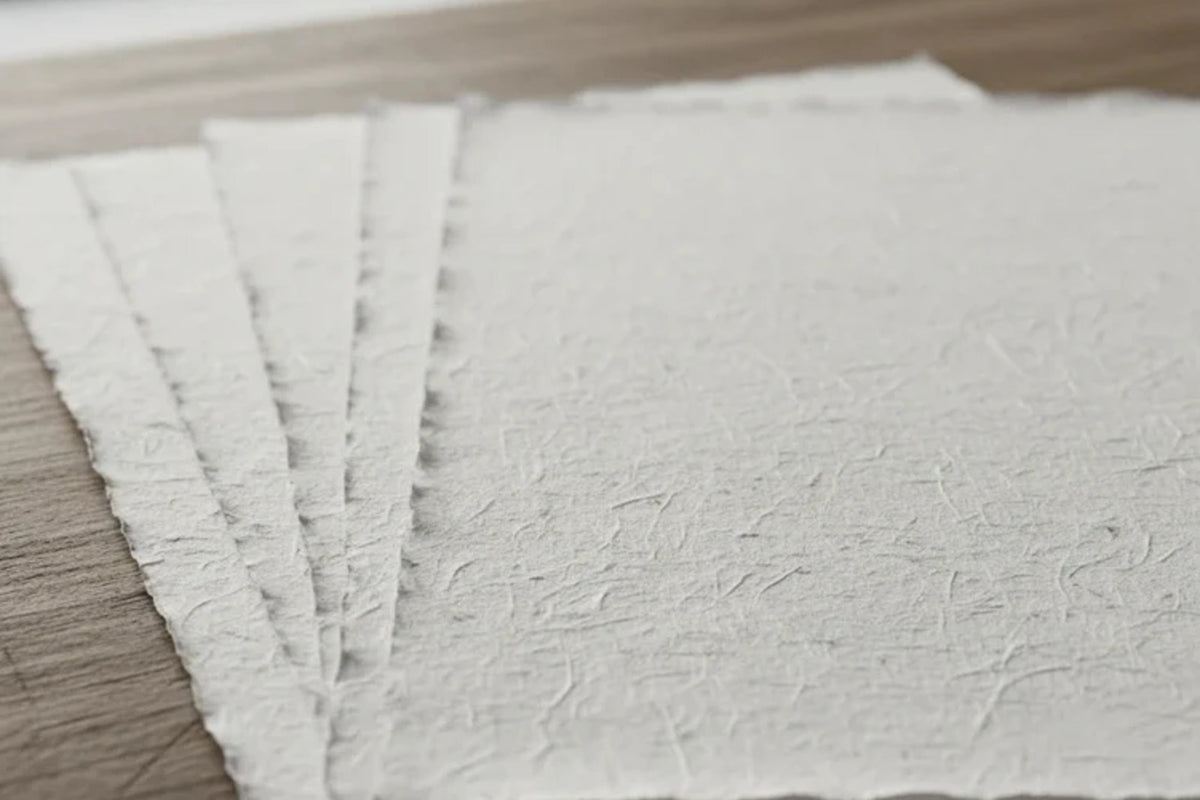
Printed on Handmade Amalfi Paper
Sheet size: 29 x 42 cm
With frame: 31 x 44 cm
Material: work printed on the finest handmade Amalfi paper with deckle edges
Frame: dark brown with gold fillet, handmade, with glass


Do you have any questions about our works?
How an Amalfi art print is made, what the frame is like, what museum glass is, how long shipping takes, and how returns work: we’ve gathered all the answers on a single page.