


Moscow in the Sixteenth Century
Moscow in the Sixteenth Century
Couldn't load pickup availability
- ✓Shipping with real-time tracking
- ✓Handmade in 4-5 working days
or a special size? • Chat with us
The artwork
In the meadow in the foreground, between the bison and the horsemen, walks an ox with long, slender horns: it is an aurochs, the wild ancestor of our cattle, and the last of its kind died 52 years after this print. You receive it printed on handmade Amalfi paper, in a handmade frame.
- Moscow in the sixteenth century, with the aurochs, the bison, sledges and mounted archers.
- In the large format, in a study, it invites a close look.
- A gift for anyone who has lived in Moscow or studies Russian.
An aurochs and a bison had already been engraved for Sigismund von Herberstein, the imperial ambassador who travelled to Moscow in 1517 and 1526: his account of Muscovy, published in 1549, was for a long time the West's main source on Russia. In the 1556 edition the two beasts carry captions calling anyone who mixes them up ignorant, and the plate repeats them in German. The last known herd of aurochs lived in the Jaktorów forest, in Poland; the last cow died there in 1627.
The plan of the city comes from Herberstein: Braun and Hogenberg took it up in the second volume of the Civitates orbis terrarum, published in Cologne in 1575, engraved on copper. Moscow is seen from across the river, its rows of houses enclosed by the walls, and the cartouche at bottom right notes that it is twice the size of Prague and that its houses are made of wood. On the right, on the frozen river, horse-drawn sledges race along and a few men glide on skis; in the foreground ride the mounted archers of the Muscovite army. The copy is held in the David Rumsey Map Collection.
In a study or above a bookcase it invites a closer look, and it is a gift for anyone who has lived in Moscow or is learning Russian. And at the bottom, beside the bison, the aurochs is still walking.
Unique quality material
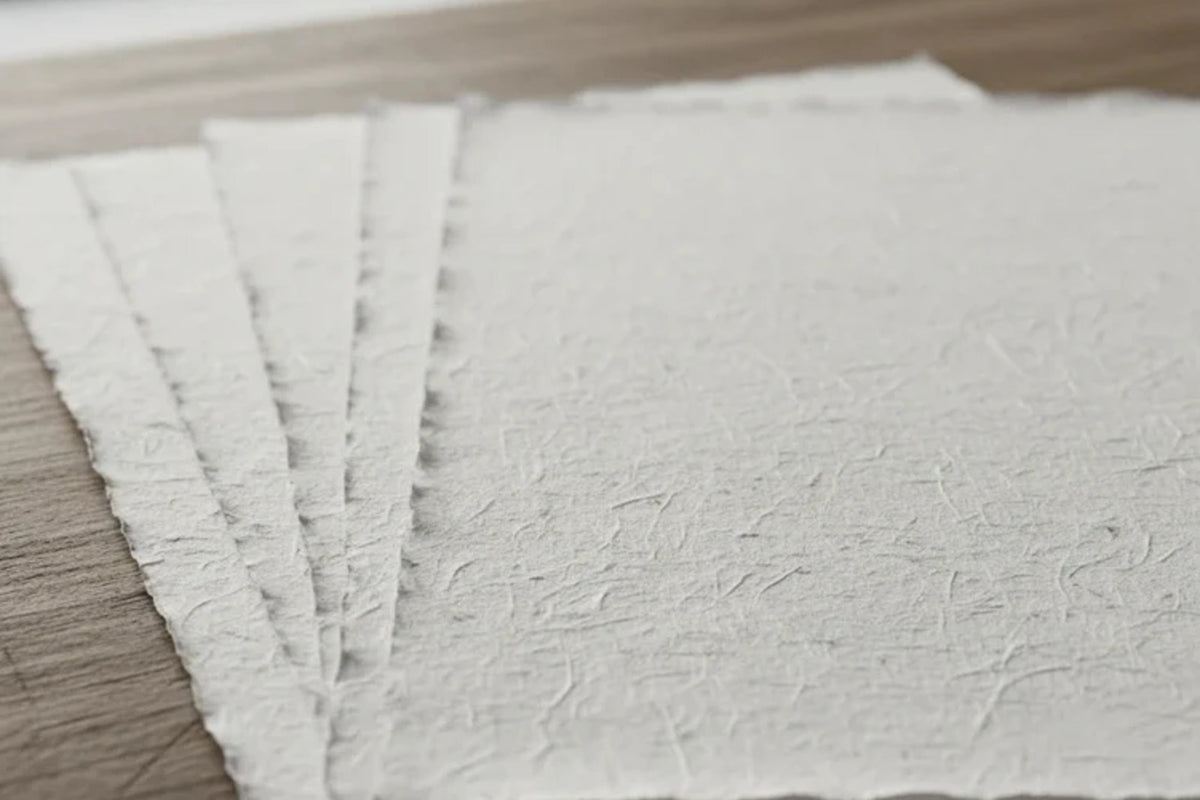
Print on handmade Amalfi paper
Sheet size: 40 x 60 cm (15.7 x 23.6 in)
With frame: 42 x 62 cm (16.5 x 24.4 in)
Material: artwork printed on very fine handmade Amalfi paper with deckled edges
Frame: dark brown with gold fillet, handmade, with glass


Do you have any questions about our works?
How an Amalfi art print is made, what the frame is like, what museum glass is, how long shipping takes, and how returns work: we’ve gathered all the answers on a single page.