


Map of Europe in 1914
Map of Europe in 1914
Couldn't load pickup availability
- ✓Shipping with real-time tracking
- ✓Handmade in 4-5 working days
or a special size? • Chat with us
The artwork
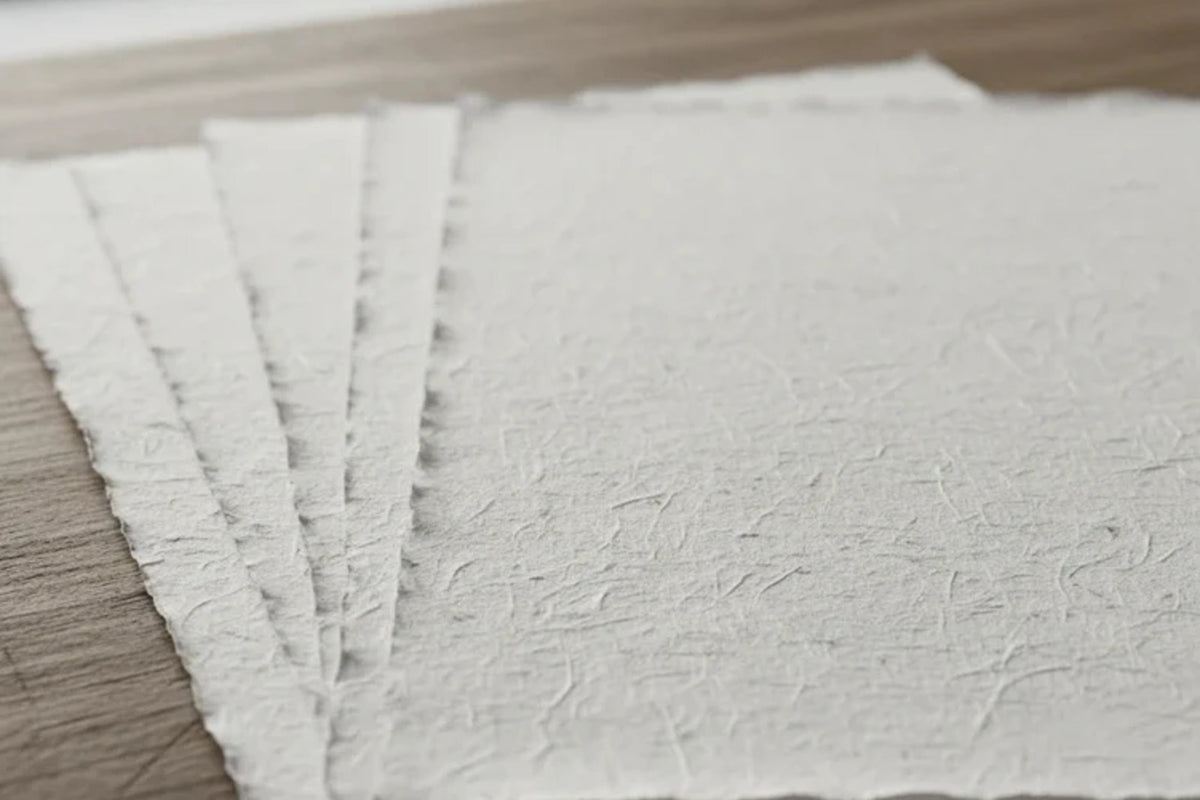
On the right-hand edge there are two red crosses and a line in red: 10 per cent of the price, 30 pfennigs, went to the Central Committee of the Red Cross. You receive it printed on handmade Amalfi paper, in a handmade frame.
- The yellows, greys and pinks of the figures, the red of the two crosses.
- A map that is cheerful only on the surface, and gives character to a study.
- A gift for lovers of illustration and of twentieth-century history.
Walter Trier (1890-1951) drew it at 24, in Berlin, shortly after the war began. Born in Prague, he would become famous as an illustrator of children's books, starting with Erich Kästner's «Emil and the Detectives» in 1929. The map came out paired with an old French satire of 1870 by the caricaturist Paul Hadol, to compare two wars: that is why the sheet speaks of a «Doppelkarte», a double map.
It is a German map, and it shows. Germany and Austria-Hungary are soldiers dealing blows in every direction, Russia is a huge face with its mouth wide open, wanting to swallow everything. The text under the map has a joke about Italy, then still neutral: «faithful unto death... of the winner». In 1936 Trier, who was Jewish and drew for satirical papers, had to leave Nazi Germany and settled in London. The copy reproduced here is in the Staatsbibliothek, the State Library in Berlin.
In a study or a child's bedroom it is a gift for anyone who loves illustrated books and history seen with irony.
Unique quality material
Print on handmade Amalfi paper
Sheet size: 29 x 42 cm (11.4 x 16.5 in)
With frame: 31 x 44 cm (12.2 x 17.3 in)
Material: artwork printed on very fine handmade Amalfi paper with deckled edges
Frame: dark brown with gold fillet, handmade, with glass


Do you have any questions about our works?
How an Amalfi art print is made, what the frame is like, what museum glass is, how long shipping takes, and how returns work: we’ve gathered all the answers on a single page.